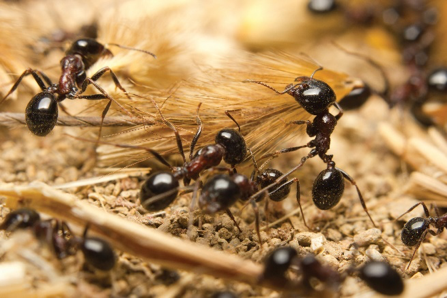
Ants
Found in
and around foodstuffs and water. Hide in warm, dark places.
Small, dark-brown insects.
Feeling overwhelmed by an unidentified pest wreaking havoc in your home and garden? With our pest control problem solver, you can easily identify and resolve pest problems with confidence. Kick pests to the curb with our list of possible culprits, or plug in what you are looking for in the search bar to find the ideal solution for your pest control and prevention needs. We understand that pests can invade your home and garden unexpectedly, leaving you unsure of how to handle them.

That’s where our expertise comes in. From common household pests like ants, cockroaches and rodents to garden issues like fungal infections and invasive weeds, we’ve got you covered. Our range of high-quality products includes insecticides, fungicides, herbicides, and rodenticides, giving you all the tools you need to combat pests and maintain a healthy home and garden.
Our easy-to-use products are backed by decades of expertise, making them the go-to choice for home and garden pest control. From quick fixes to long-term prevention, we provide solutions tailored to your needs. Explore our guides, tips and this Problem Solver tool to make pest management simple and effective.
Take control today with the right home and garden pest control tips and products and enjoy a pest-free environment. Find the perfect solution now and say goodbye to unwanted pests.
and around foodstuffs and water. Hide in warm, dark places.
Small, dark-brown insects.
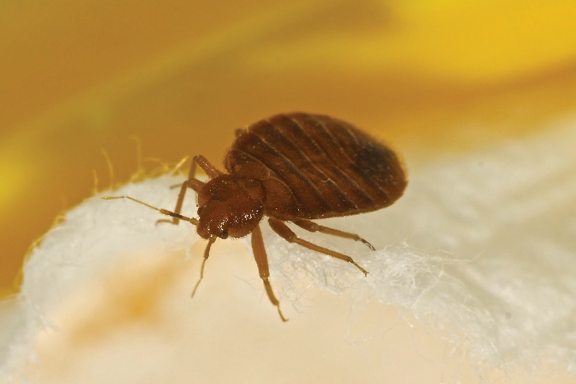
bedding. Can survive for up to a year with no blood.
Oval insect with flat body that feeds on blood.

fields or gardens, where they feed on a variety of plants. Indoors they can feed on fabric, such as cotton, linen, silk, and wool.
Insects with a 12-18 mm long cylindrical body, dark brown to black. Rounded wings almost cover their bodies.

and around foodstuffs. Hides in warm, dark places.
German, American and Oriental species from light to dark brown (5-50 mm). Eggs are laid in capsules that hatch in two weeks. Become an adult in 6-8 weeks.
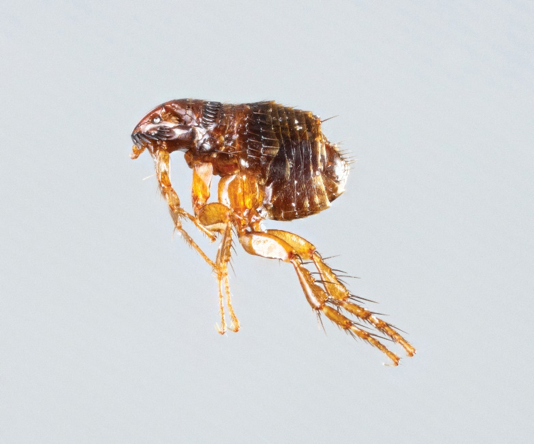
carpets, animal beds and general living areas. Feed on blood, and move in between feathers and hair.
Small, flat, light brown insects that jump.
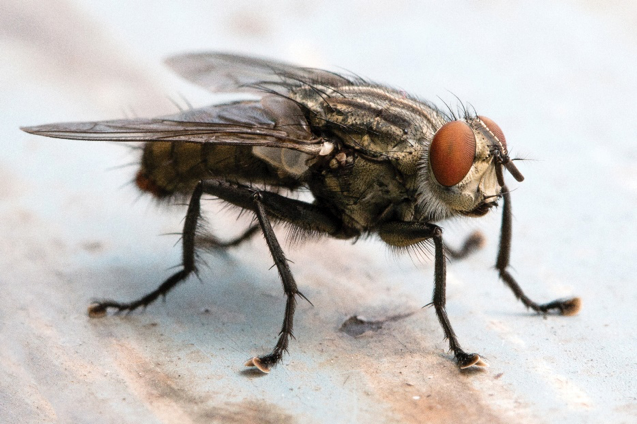
Houses, dairies, food processing establishments and general living areas.
The house fly has a soft tongue hanging from its head and breeds in dung and refuse.
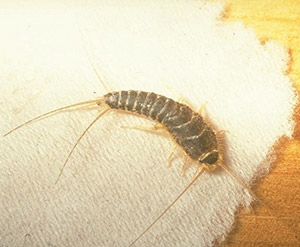
libraries, books shelves and cupboards. Feed on glue found in the binders of books, starch, meal, cotton, rayon, and silk.
Silver-grey insects, up to 1.5cm long that live for 2-8 years.
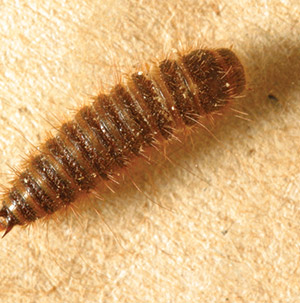
Clothing, carpets, upholstered furniture and more. They also feed on dead insects, hides, milled products, pet food, crumbs, lint, felt and soiled clothing.
Measure 4 to 5 mm in length and have coarse hairs on their bodies. They are generally carrot shaped to oval-shaped and brown to tan in colour, with white and tan stripes.

social colonies inside nests up to about 30 cm across. Commonly found in roof spaces or within cavities in walls or trees. Forage on a wide range of foods including flying insects, nectar and other sweet foodstuffs.
Distinctive black and yellow colouration. Narrow waist between thorax and abdomen. Very similar to the German wasp, but lacks the three distinctive dots at front of head.
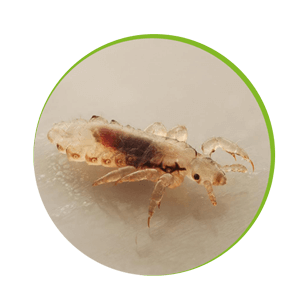
Poultry, birds, coops and humans.
Small (less than 1mm long) mites with 8 legs, very mobile. Oval in shape with a sparse covering of short hair. Semi-transparent in colour until blood has been digested when they appear reddish.
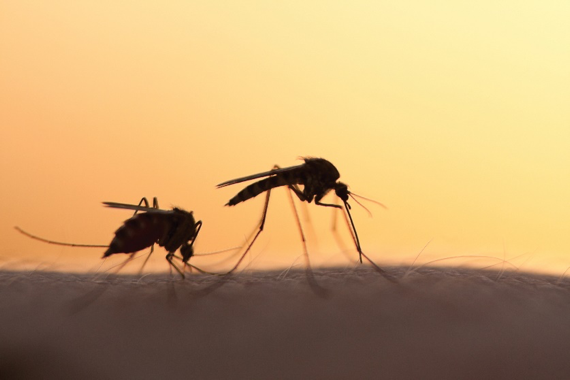
areas near stagnant water, homes and animal dens. Feed on blood and are carriers of malaria and yellow fever.
Long, thin insects with wings that make a distinctive sound.
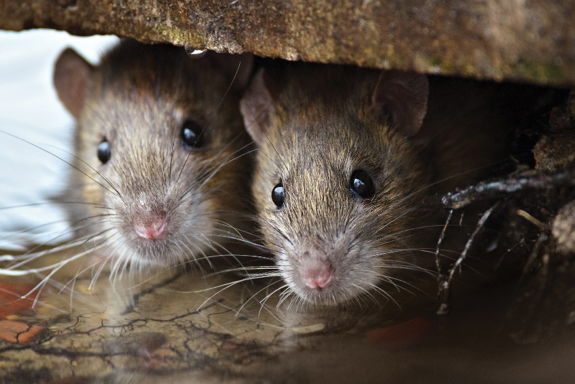
areas of foodstuffs, kitchens, barns and rubbish dumps.
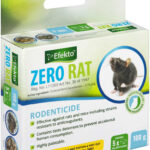
Rodents that nibble everything to keep the length of their fast-growing front teeth under control.

corners, roofs, plants and cupboards. Indoors and outdoors, mostly in corners, cracks and crevasses.
Spiders have eight legs (four pairs), no wings and antennae, but vary in size, shape and colour.
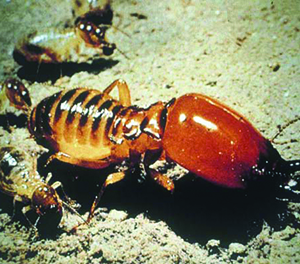
timber areas, attracted by their primary food source: cellulose. They often infest buildings and damage lumber, wood panels, flooring, wallpaper, and paper products. They have the ability to cause serious structural damage and, in the worst cases, total collapse of the building.
Commonly referred to as ‘white ants’. Worker termites are tiny soft-bodied creatures, and whitish or creamy in colour, therefore given the nickname ‘white ants’. Soldier termites have larger armoured heads, with protruding jaws that look like pincers, which can be orange, brown, yellow or red in colour and are used to crush intruders. Swarmers are winged termites and usually swarm during daylight. Their wings are brownish grey, and front wings are larger than hind wings.

Lawns, plants and pets.
Small, red-brown in colour, and lacking any ornamentation. Although not sufficient for formal identification, it can be recognised by its red-brown, elongated body shape.
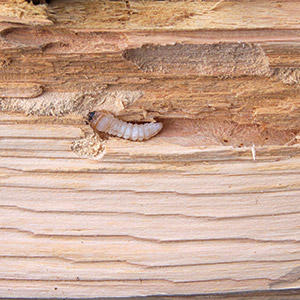
in any wooden structure or furniture. Fine sawdust coming out of small holes in the wood is typically the first sign of the presence of wood borer larvae. The dust has a gritty feel to it.
Black or brown with greyish ‘hair’ on upper bodies and wing cases, and shiny spots that resemble eyes. Only the larvae feed on the wood. Larvae take 2-3 years to mature, depending on the moisture content of the wood. Larvae usually mature in spring, and the mature adults then cut holes 6-10 mm in diameter to exit the wood. Adults are most active in summer.
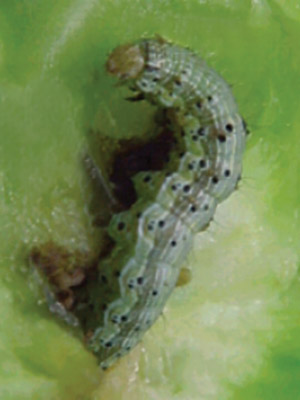
orchards and gardens, on fruit and leaves of fruit trees and other plants.
Black to brownish green with a dirty white strip along the sides.
household or garden areas. Apply surface sprays indoors and in shaded garden areas. Effective control can be achieved by pouring pesticide down entrance to nest.
There are several different types of ants, all of which live in colonies, commonly in and around homes.

in small colonies on leaves and new growth. Sap feeders, resulting in leaves that curl and retarded growth.
Small, soft-bodied, pear-shaped insects, usually green or black in colour.
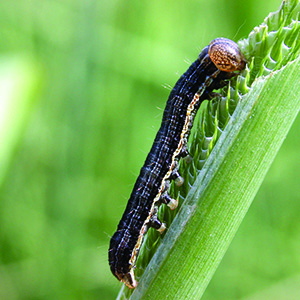
Lawns, pastures and vegetables.
Yellowish or brownish green with a tan or greenish-brown head mottled with darker brown. The smooth, hairless body is marked with three dark longitudinal stripes, one along each side and one down the back. A full-grown army worm is 30-35 mm long.
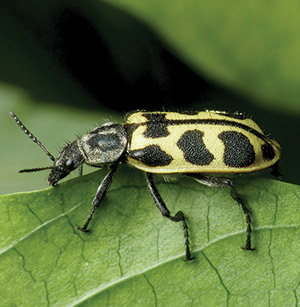
gardens and orchards. Damages blooms and prevents fruit or flower formation.
Medium-sized yellow beetle with black spots. Active during mid to late summer. Feeds mainly on pollen.

gardens, on growth points and leaf arteries. Sap feeding, resulting in retarded growth and eventual death of plant.
Soft, scaly insect with large egg sac of ribbed white wax.
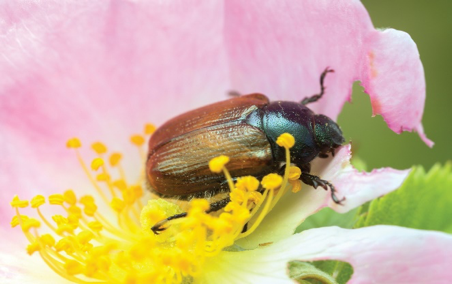
gardens and orchards. Burrows into ground during daytime. Feeds on young leaves and flower petals.
Medium-sized, shiny brown, night-flying beetle.

gardens and orchards. Feeds mainly on flower petals, adversely affecting flower and fruit formation.
Small to large beetle with yellow and black bands across wing covers.
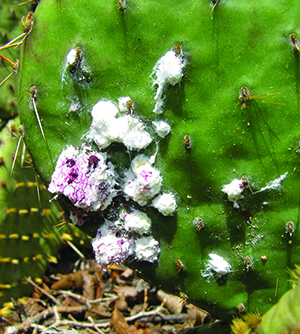
gardens, especially fond of the leaves of prickly pear plants. Sap feeding, causing leaves to wither and fall off.
Small pink insect, covered with a white waxy layer.

orchards and gardens. Eggs are laid on young fruit and leaves. Larvae burrow into fruit, causing rotten patches. Treat after approximately 75 % of the blossoms have dropped off.
Dark grey moth.Larvae are pink with a brown head at maturity.

gardens. Burrow into lawns, especially in shady areas where soil is damp. Feed on seedlings, roots and tubers. Results in bare patches in lawns.
Dark grey to black in various sizes.

upper 2-5 cm of soil, especially among young plants. Cuts the stems of young plants just below soil surface (hence the name cutworm). Active at night.
Dirty-grey, hairless worms.
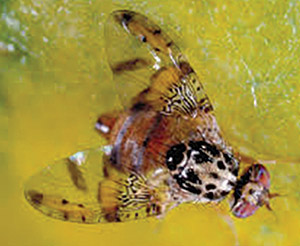
gardens and orchards. Lay eggs in fruit (sting). Infected fruits infested with white maggots.
Medium-sized flies, usually brightly coloured.
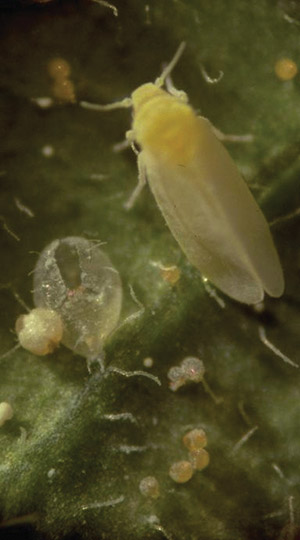
gardens and orchards. Commonly found on the underside of leaves. Swarm when disturbed. Sap feeding, resulting in retarded growth.
Small four-winged insects, covered in fine white powder.
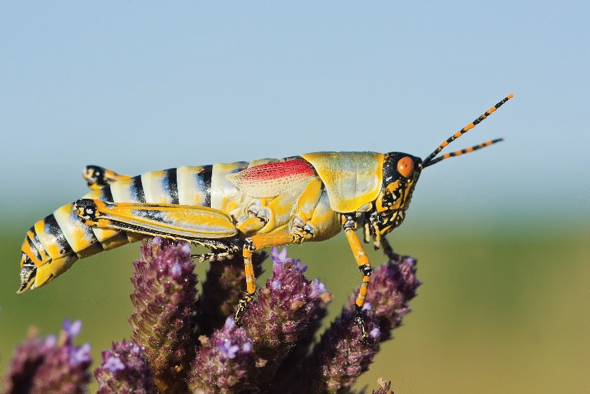
gardens and orchards. They mostly feed on leaves, but also flowers, soft stems and seed.
Colour is usually a combination of brown, grey or green.
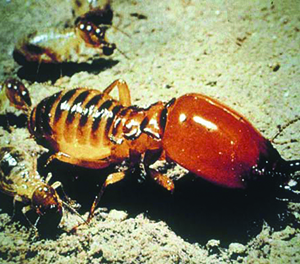
Underground colonies. Deposit small mounds of loose soil around entrance to nests. Cut and harvest grass, carrying it into nests. Can ruin lawns and gardens.
White or light brown termites, 10 mm long with dark brown head.
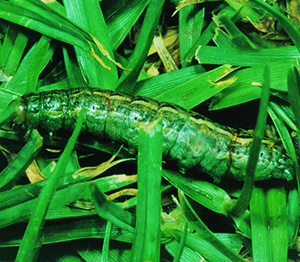
gardens, below the soil surface in lawn areas. Feeds on lawn blades, causing large yellow patches. Active at night.
Greenish-brown caterpillar.
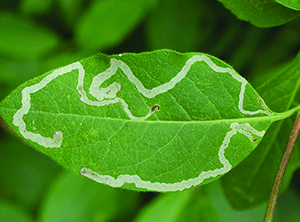
gardens with vegetables and ornamentals.
Larvae tunnel within the leaf tissue forming the characteristic mines, then cut a semi-circular opening in the tissue and drop to the soil to pupate.
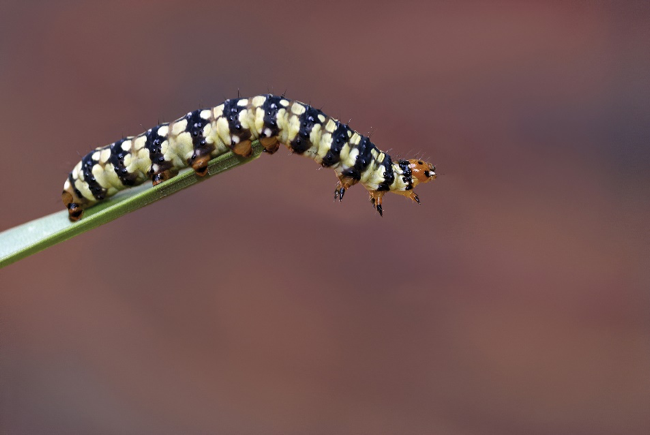
gardens and orchards. Larvae tunnel into the leaves (borer). Young feed in groups, adults move towards the base of leaves and may even feed on bulbs. Control between September and April.
Larvae have distinctive yellow and black bands around the body.
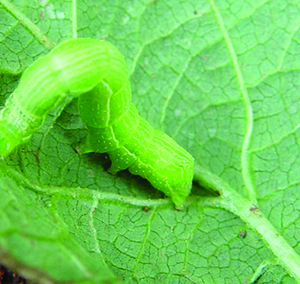
gardens and orchards. Feeds on fruit and leaves of plants.
Green caterpillars identified by characteristic ‘looping’ of body.
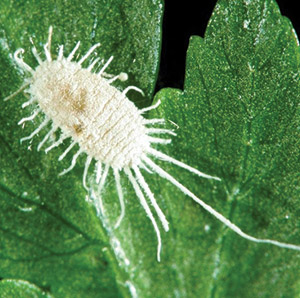
in gardens, especially with tender new growth. Sap feeding, causing plants to wither.
Small, oval-shaped, light pink stationary insects with white waxy thread.
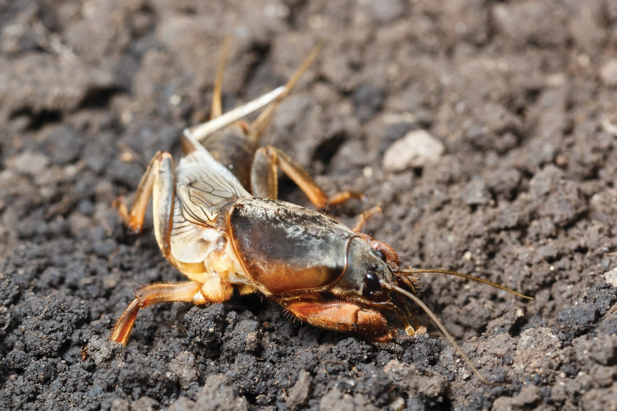
gardens with lawns.
Thick-bodied insects about 3-5 cm long, with large beady eyes and shovel-like forelimbs highly developed for burrowing and swimming.
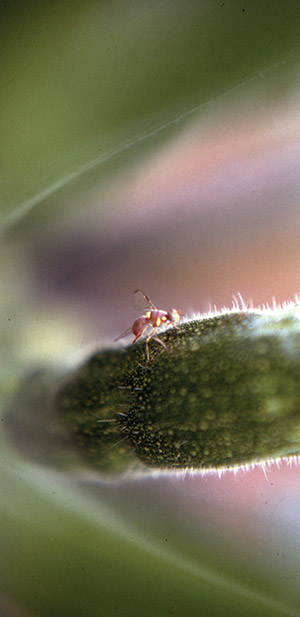
vegetable gardens. Attacks members of the pumpkin family. Eggs laid beneath the skin. Creamy white, legless maggots tunnel into fruit, causing it to rot and fall off.
Similar to fruit flies.
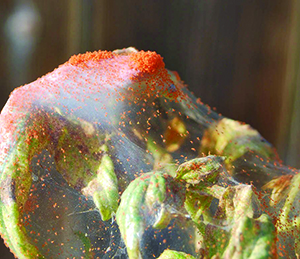
gardens, orchards and vegetable patches, on the underside of leaves. Mites feed on sap, causing leaves to turn silver, grey and later brown in colour, resulting in rapid deterioration of the plant.
Tiny mite with red body. A fine web on the underside of leaves typically indicates that red spider mite is present.

a variety of colours including grey, white, reddish brown or purple. It may be round or pear-shaped.
May occur in a variety of colours including grey, white, reddish brown or purple. It may be round or pear-shaped.
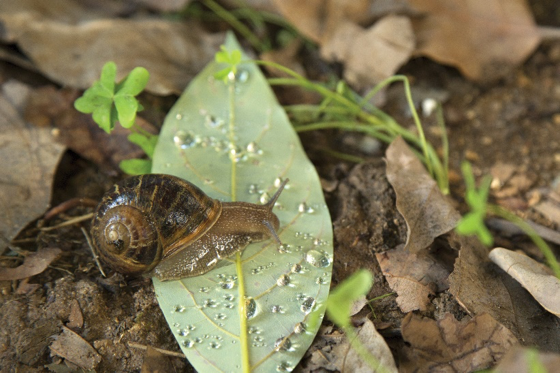
gardens, orchards and vegetable patches. Active under damp conditions. Feed on young, succulent growth.
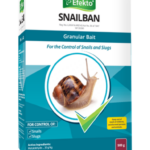
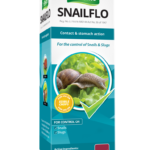
Brown or grey in color. Snails carry a shell, slugs do not. Leave shiny trails.

maize, sorghum and sweetcorn.
Caterpillars are light or dark violet to pinkish-white in colour, often with a distinctive grey tinge. On hatching, caterpillars are blackish.
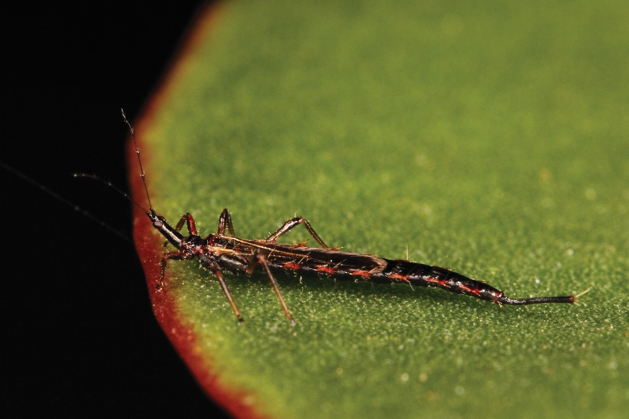
gardens, where they damage foliage, fruit and flowers.
Tiny, slender insects with four oar-like wings, fringed with long hair. Seldom seen with the naked eye.
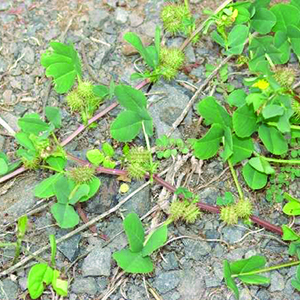
Lawns and paving
Bur clover is a summer annual weed. Stems can be up to 60 cm long and tend to trail along the ground, but may grow upright. The trifoliate leaves resemble those of clover and usually have reddish-tinged mid-veins. Small, bright yellow flowers form in clusters at the end of stems. The first true leaf is rounded with a single leaflet. Later leaves have the characteristic clover like shape.
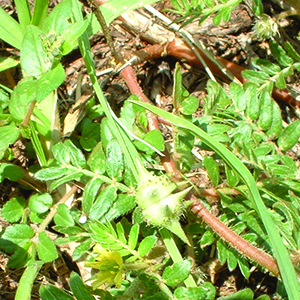
Lawns and on paving
Blooms with small yellow flowers containing only five petals. Grows with multiple stems that spring out from one crown. The fruit appears a week after blooming and seeds are firm and stiff, with two sharp spines 10 mm long.
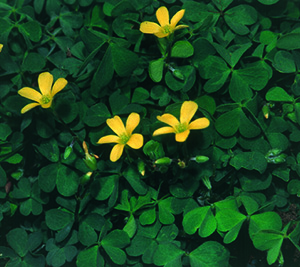
Lawns and on paving
A creeping perennial that is typically about 10 cm tall, though stems can grow up to 50 cm long. The green or reddish stems are slender and hairy, and stems that trail on the ground will root at stem joints. Leaves are often purplish and are borne alternately along the stem at the end of long stalks. Leaves consist of three heart-shaped leaflets with hairy undersides. Leaves will fold down around the stem at night or when the plant is stressed. One to five bright yellow, five-petalled flowers occur in clusters at the tips of the stalks. Flowers produce elongated, lantern-shaped seedpods, which are long, green, hairy and five-angled. Each seedpod holds 10-50 seeds.

lawns and on paving.
Normally perennial, forming thick mats by means of stolons and rhizomes. The leaf blade is flattened with a sharp tip, and can be hairy or glabrous (hairless).
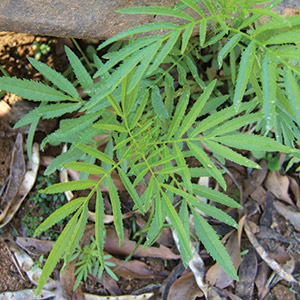
Lawns and on paving.
Prostrate herb with perennial root system and annual above-ground growth. Taproot often large and woody. Stems silky hairy.
lawns and on paving.
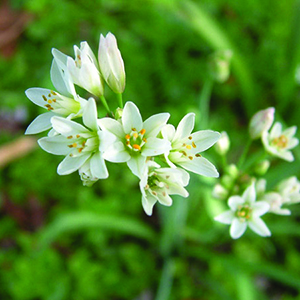
Grass-like perennial to 60cm, with a strong garlic smell. Bulbs have 10-15 mm diameter, with offset bulbs. Leaves are 2-5 cm, linear, fleshy, keeled, 20-60 cm long, with white papery sheaths. Usually die back in late spring. Flower stalk three-sided, 20-60 cm high, fleshy, soft, sheathed by leaves at base. Flowers bell-shaped, 10-15 mm long, five petalled, white with green stripe on petals

Lawns and on paving.
A perennial with trifoliate leaves, stems that root at the nodes, and white flowers. White clover is often planted in pasture and forage mixes, but also occurs as a weed in lawns, turf grass, landscapes, and orchards.

Lawns and on paving.
A showy daisy flower that is popular in gardens but tends to escape as a weed. Flowers are large, up to 8 cm in diameter, solitary (one per stem) and red, white, pink or purple, all with prominent yellow centres. Leaves are very fine and fern-like.
Lawns and on paving.
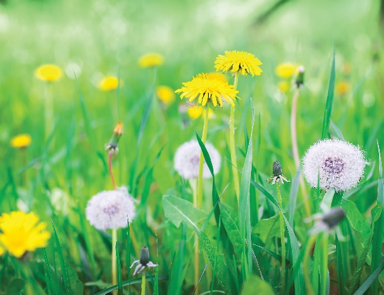
The dandelion has a thick, fleshy taproot, with many branched crowns and milky juice. Stem is very short and wholly underground, producing leaves at the ground surface. Flower heads are golden-yellow and 2.5-5 cm in diameter, with yellow ray flowers, borne on a long, hollow stalk.
Paving cracks.
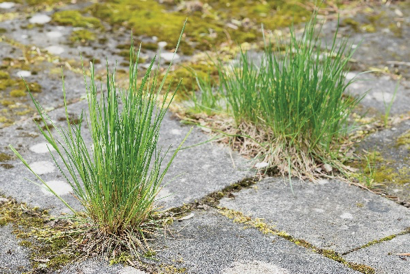
Normally perennial, forming thick mats by means of stolons and rhizomes. The stems (culms) take root at the lower nodes. The leaf blade is flattened with a sharp tip, and can be hairy or glabrous (hairless). The leaf sheath is round and glabrous; the ligule has a ring of hairs or a short membrane.
in gardens with trees and brush.
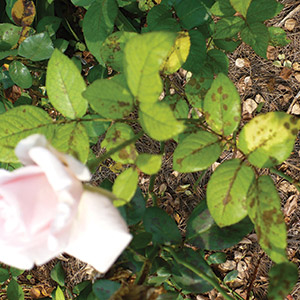
Black spots with yellow borders on older leaves. Leaves turn yellow and fall off. Continue spraying weekly until the fungus is controlled. Preventative treatment is advised.
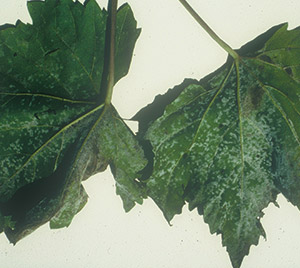
gardens, on the surface of plant leaves, stems, flowers and fruit.
Greyish-white powdery growth on younger parts of plants. Causes stunting and shrivelling of leaves.
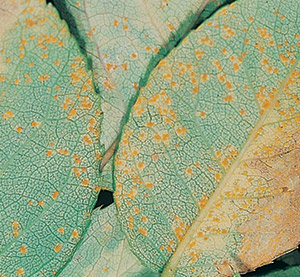
gardens with Beans and strawberries. Roses are particularly prone to rust.
Red to brown raised spots, usually on undersides of leaves. Causes premature defoliation.